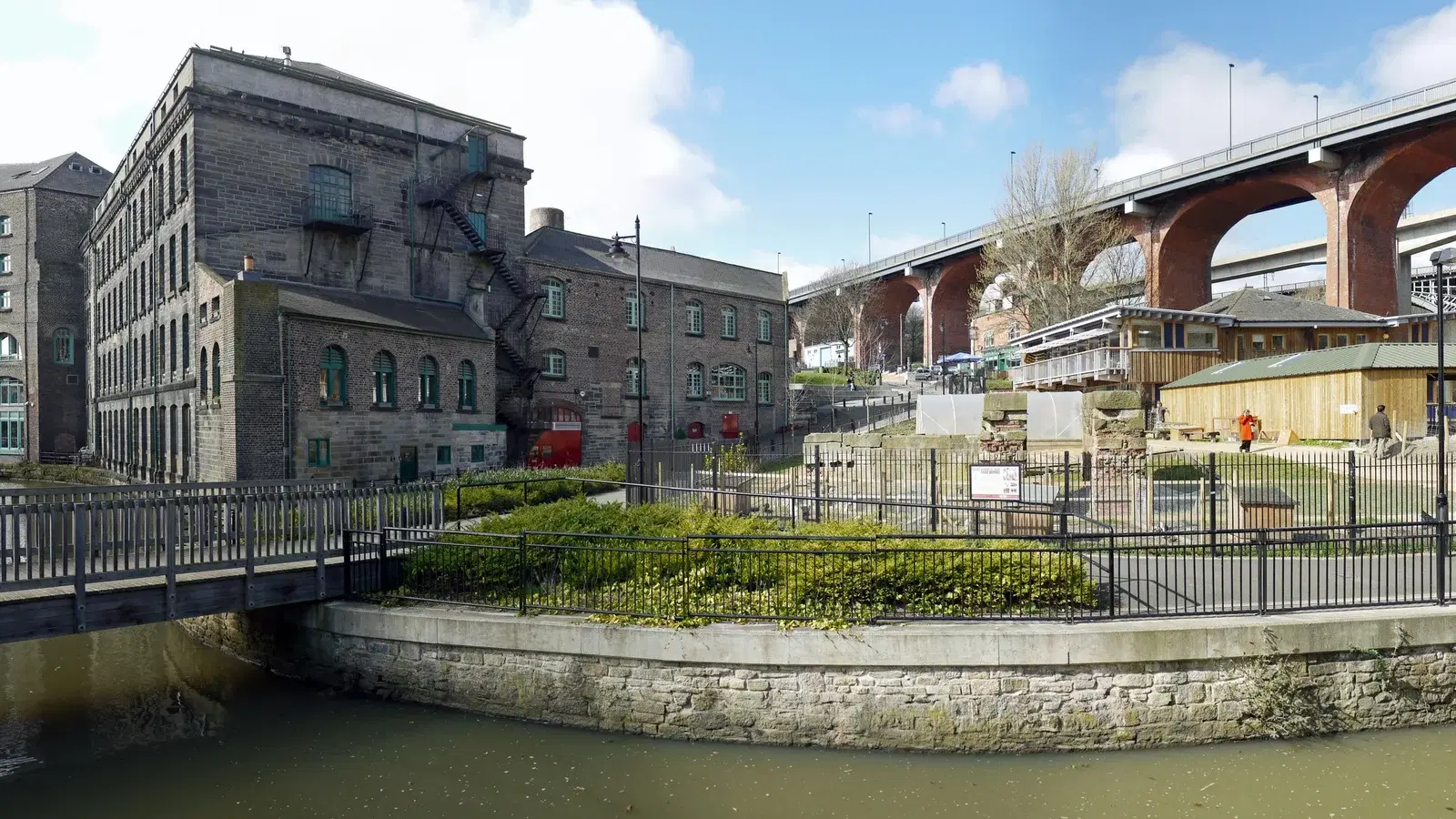
The History of Heaton & Ouseburn
From a medieval manor on the hills above the Ouseburn to the industrial cradle of Newcastle and a reborn cultural quarter — centuries of history, and the people who shaped east Newcastle.
Heaton & Ouseburn at a Glance
The key moments that shaped Heaton, the Ouseburn valley, and Byker — from medieval manor to modern cultural quarter.
A Manor Above the Ouseburn
The name 'Heaton' means 'high town' — the settlement sat on the hills above the Ouseburn, a tributary of the Tyne. The land formed part of the Barony of Ellingham, granted by Henry I to Nicholas de Grenville.
King John's Palace
The fortified manor house known as King John's Palace (or Adam of Jesmond's Camera) was built, incorporating an earlier 12th-century tower. Its ruins — now Grade II listed — still stand in Heaton Park, and King John is said to have stayed here.
Heaton Hall & the Babingtons
The Heaton estate passed to Henry Babington, who was knighted at Heaton Hall by James I on 1 May 1617. The hall and its grounds shaped the area for centuries.
Coal & Collieries
Heaton became a coal-mining district, with pits worked by landowning families including the Whites and the Ridleys. The coal trade would go on to power the industrialisation of the valley below.
The Victoria Tunnel
A subterranean waggonway was cut from the Town Moor down to the Tyne to carry coal to riverside staithes. A 700-metre section survives in the Ouseburn valley, later used as a WWII air-raid shelter and open for tours today.
Industrial Ouseburn
The Lower Ouseburn became the cradle of Newcastle's industry — potteries and flint mills, glassworks, lead works, iron foundries, and flour mills crowded the valley, served by the river and the Ouseburn's bridges.
A Green Corridor
Newcastle Corporation acquired part of the Heaton Hall estate to create Heaton Park, while Lord Armstrong gave the city Armstrong Park and Jesmond Dene. The three run into one another to form a green corridor through east Newcastle.
The Byker Wall
Architect Ralph Erskine, with Vernon Gracie, built the Byker Wall — an unbroken block of 620 maisonettes designed to shield homes from a motorway that was never built. It is now one of Britain's most celebrated post-war housing schemes.
The Metro Arrives
Chillingham Road Metro station opened on 14 November 1982 as part of the network's Tynemouth–St James phase, connecting Heaton directly to the coast and the city centre.
A Cultural Quarter
Heaton thrives as a residential suburb of Tyneside flats and independent shops along Chillingham Road, while the Ouseburn has been reborn as Newcastle's cultural quarter — home to music venues, Seven Stories, Ouseburn Farm, and the Biscuit Factory.
Heritage Articles
In-depth stories about the people, buildings, and events that shaped Heaton and the Ouseburn.
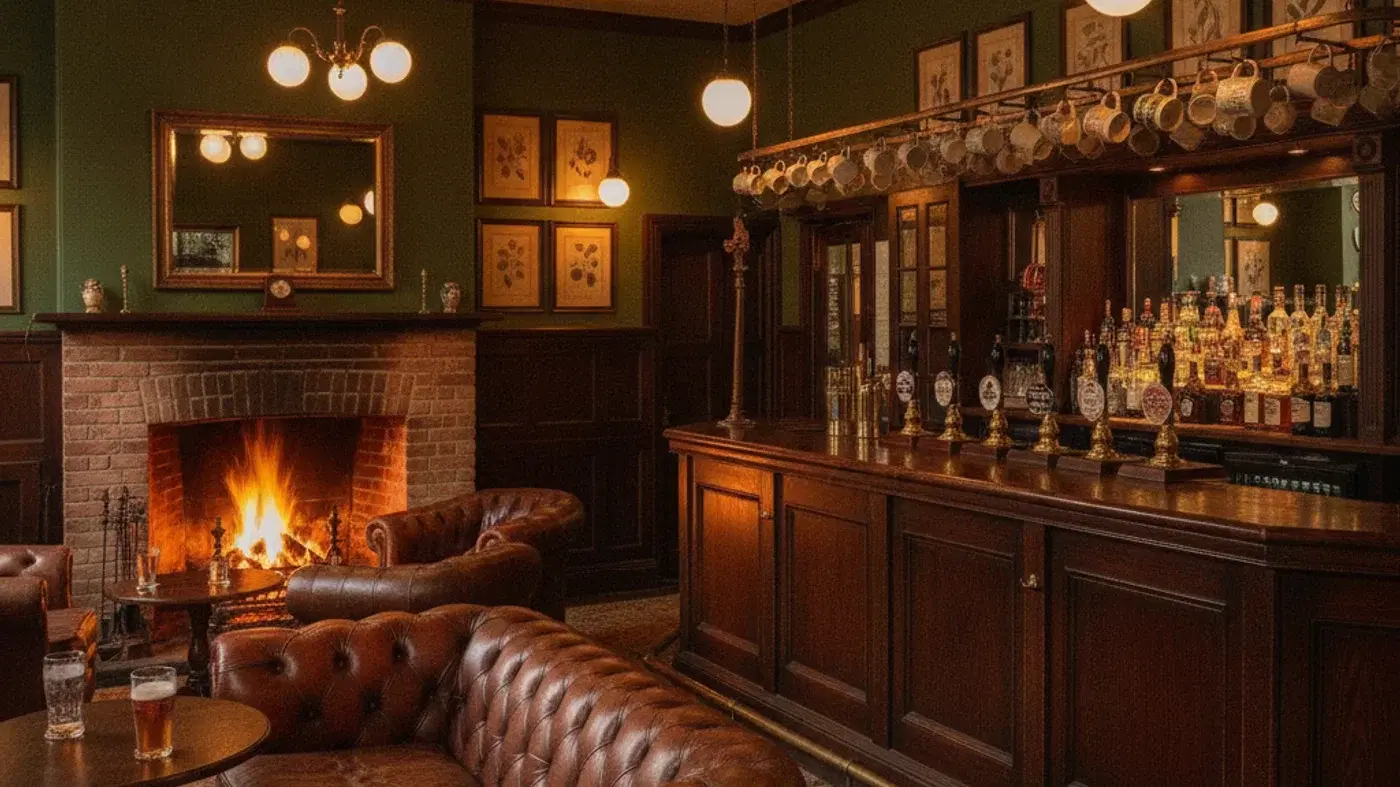
The Oldest Pubs in Heaton and Ouseburn
From a Victorian riverside tavern to a 1930s Heaton Road landmark, a guide to the oldest and most historic pubs in Heaton and the Ouseburn valley, and the stories behind them.
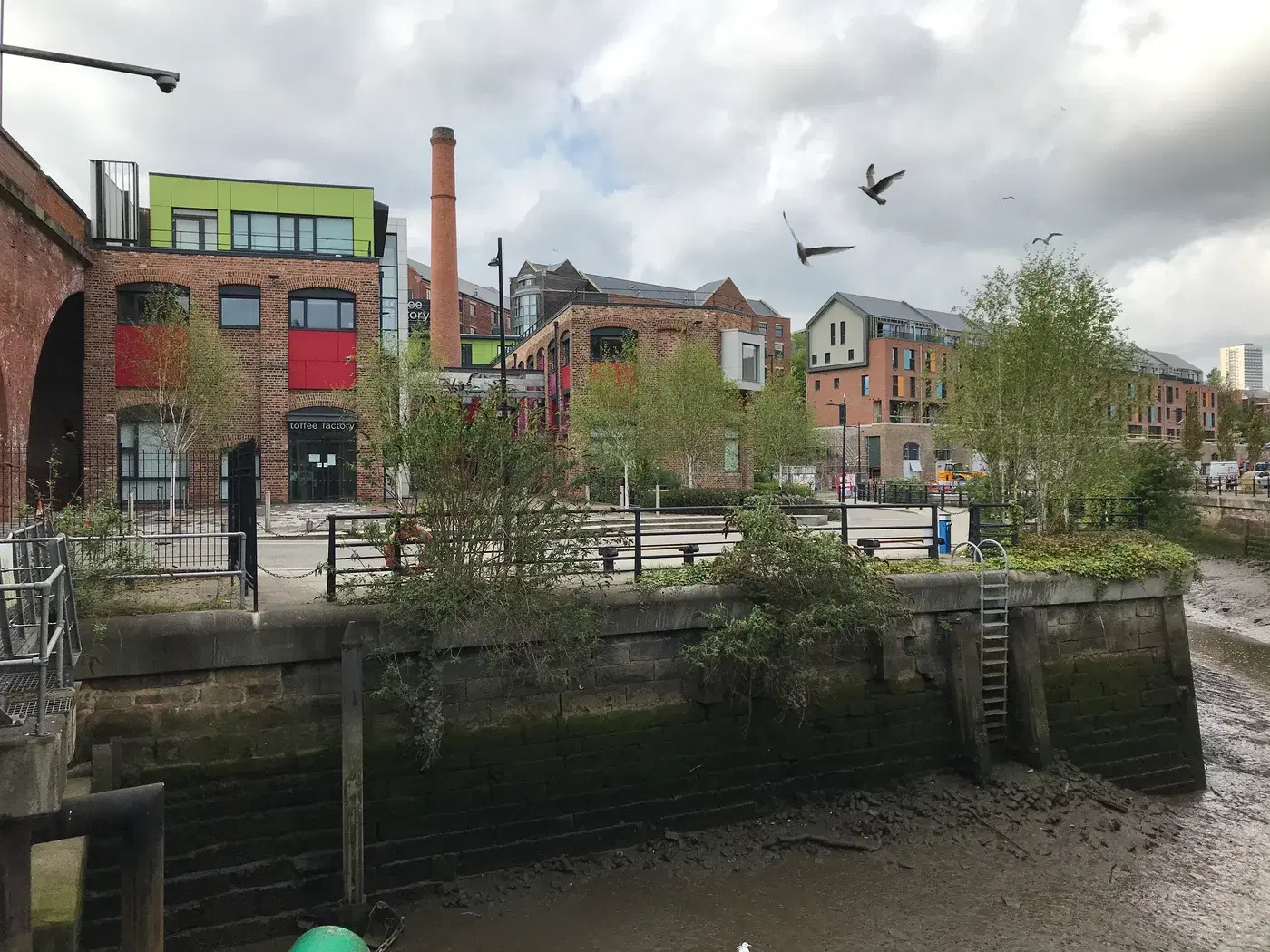
The Best Photography Spots in Heaton
From the bridges of the Ouseburn valley to a medieval ruin and the shoe tree, here are the best places to take photographs in and around Heaton.
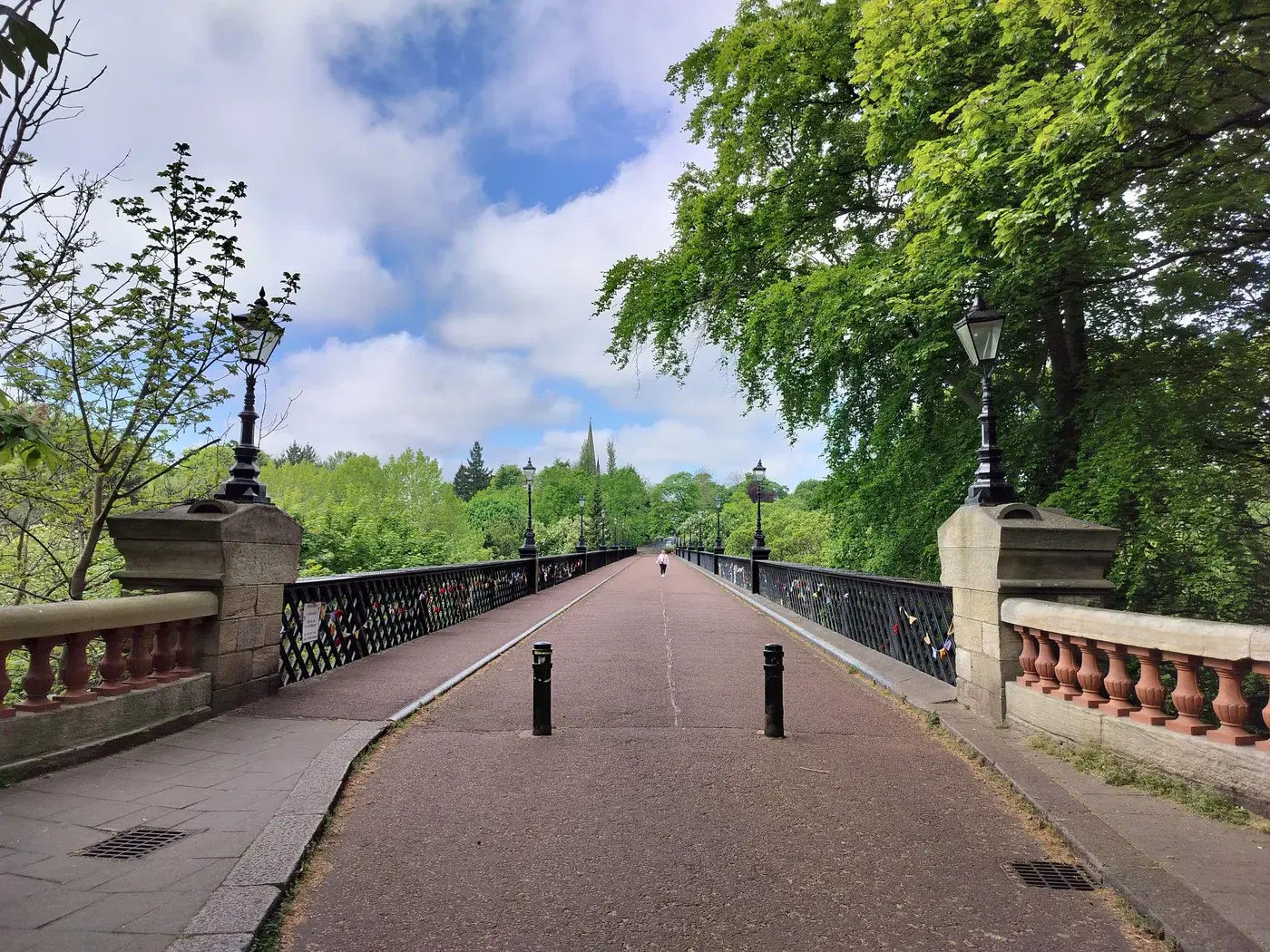
A Heaton Heritage Walk: A Self-Guided Trail
A self-guided heritage walk through Heaton, taking in a medieval ruin, Victorian parks, Lord Armstrong's bridge and the shoe tree, all in an easy afternoon.
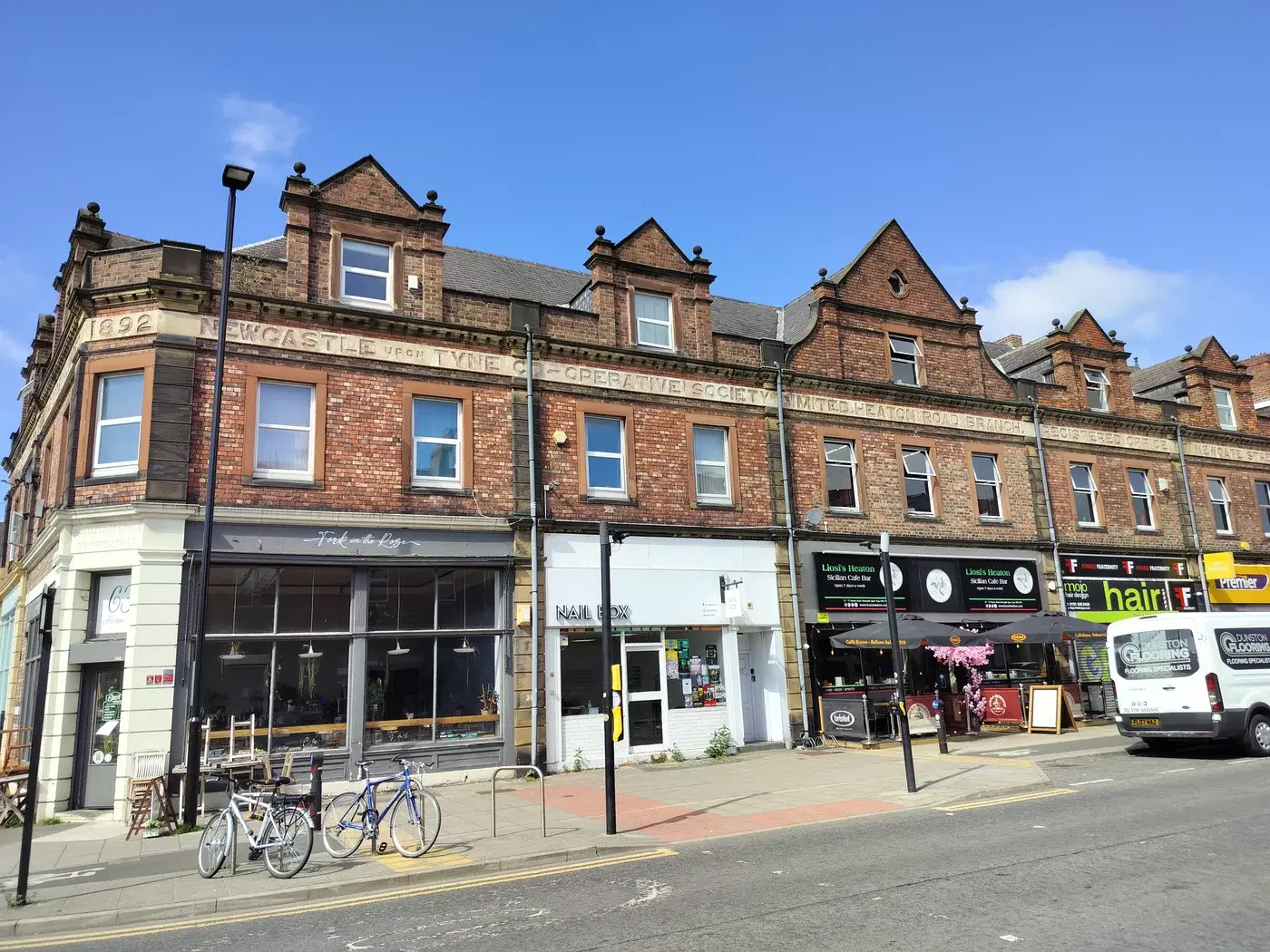
The History of Heaton's High Street
How Chillingham Road and Heaton Road grew from Victorian speculation into one of Newcastle's liveliest independent high streets. A history of shopping in Heaton.
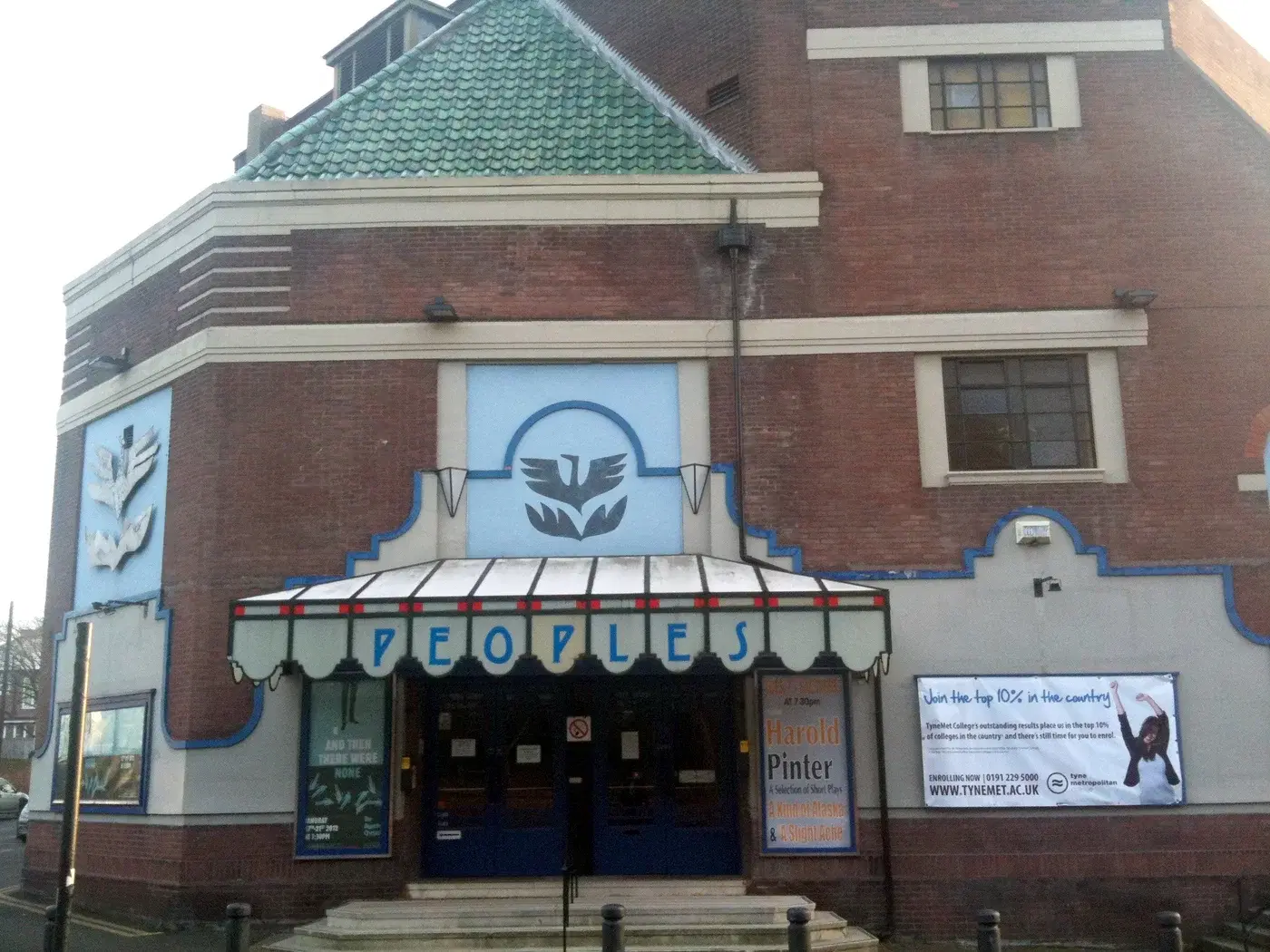
Heaton in World War Two: The Night the Bombs Rained
Heaton was on the front line of the Newcastle Blitz. The story of the suburb in the Second World War, from the terrible raid of April 1941 to the turbine works that armed the war.
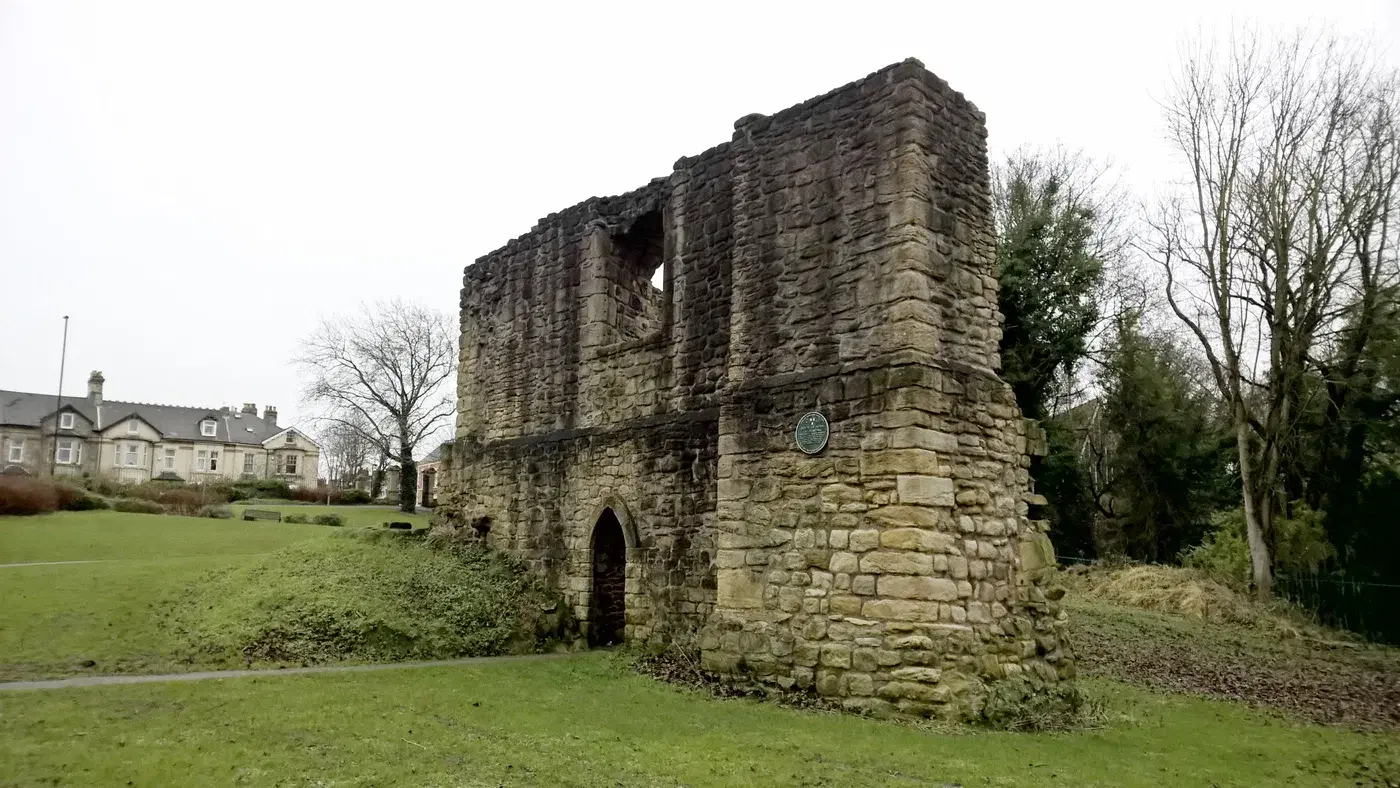
The Lost Buildings of Heaton
A grand hall, a windmill, and the picture palaces of Chillingham Road. A guide to the vanished and demolished buildings of Heaton, and the medieval ruin that survives.
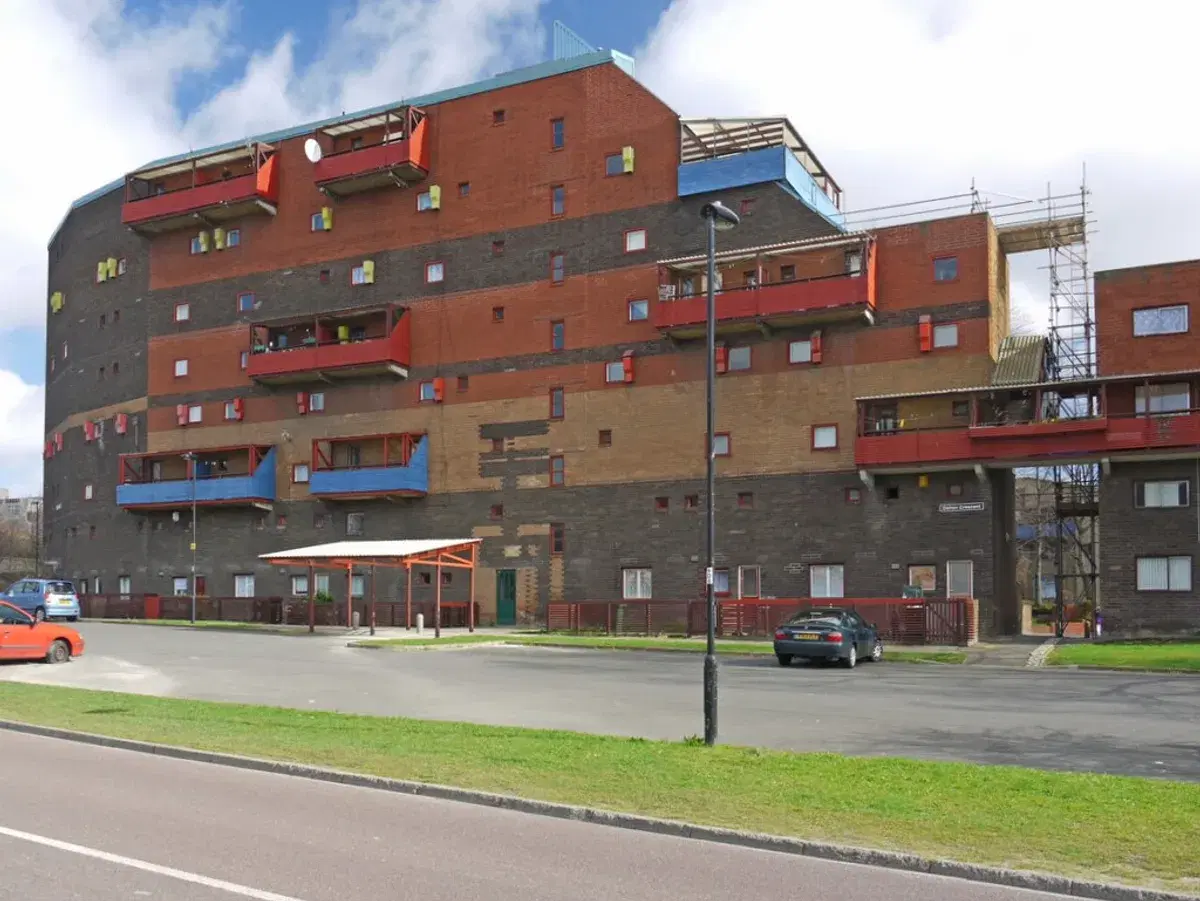
Heaton on Screen: Film and TV Locations
From Byker Grove, the show that launched Ant and Dec, to Get Carter and Vera, a guide to the film and television made in and around Heaton, Byker and the Ouseburn.
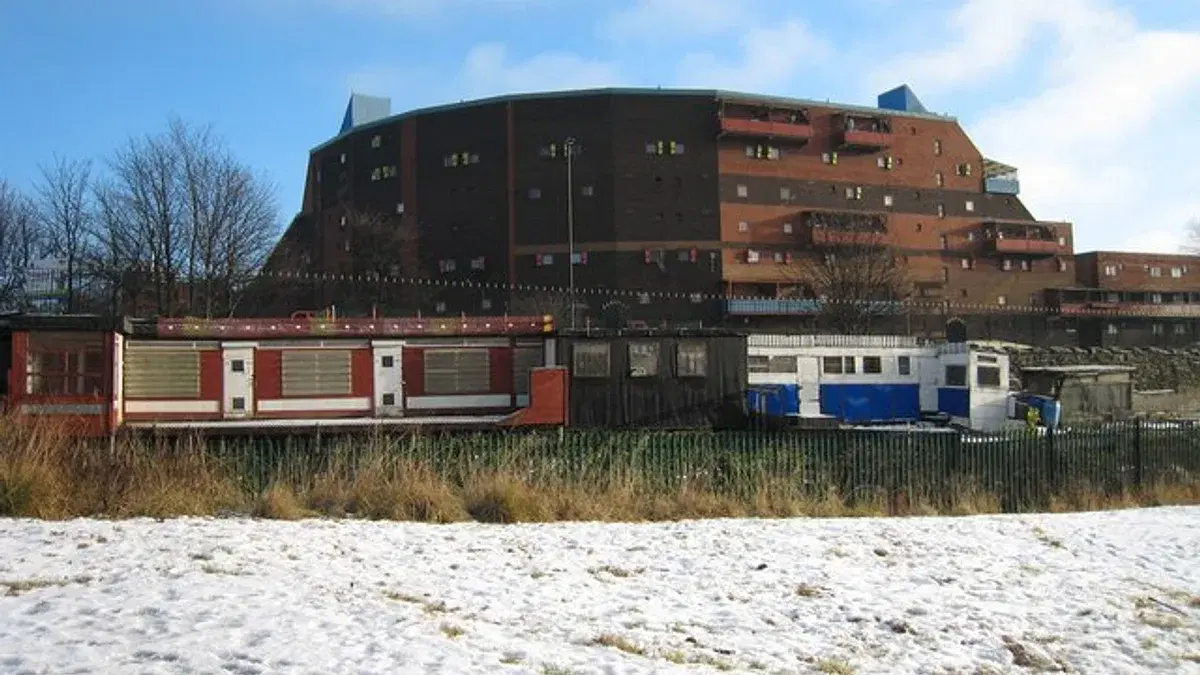
Ouseburn & Byker History: The Victoria Tunnel and the Byker Wall
How the Ouseburn valley became the cradle of Newcastle's industry, the coal tunnel that runs beneath it, and the celebrated Byker Wall that overlooks it.
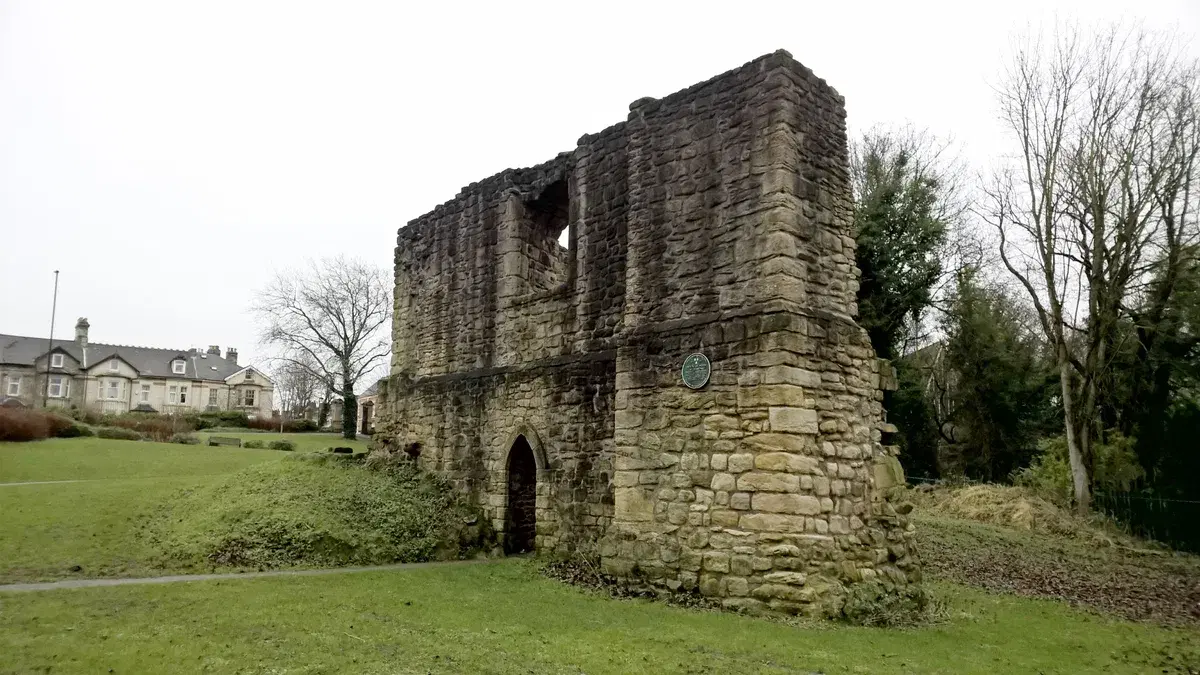
15 Fascinating Facts About Heaton & the Ouseburn
Fifteen genuinely surprising stories from east Newcastle, from a medieval king's well and a shoe-covered tree to Britain's biggest pottery and a bust that sits on Karl Marx's grave.
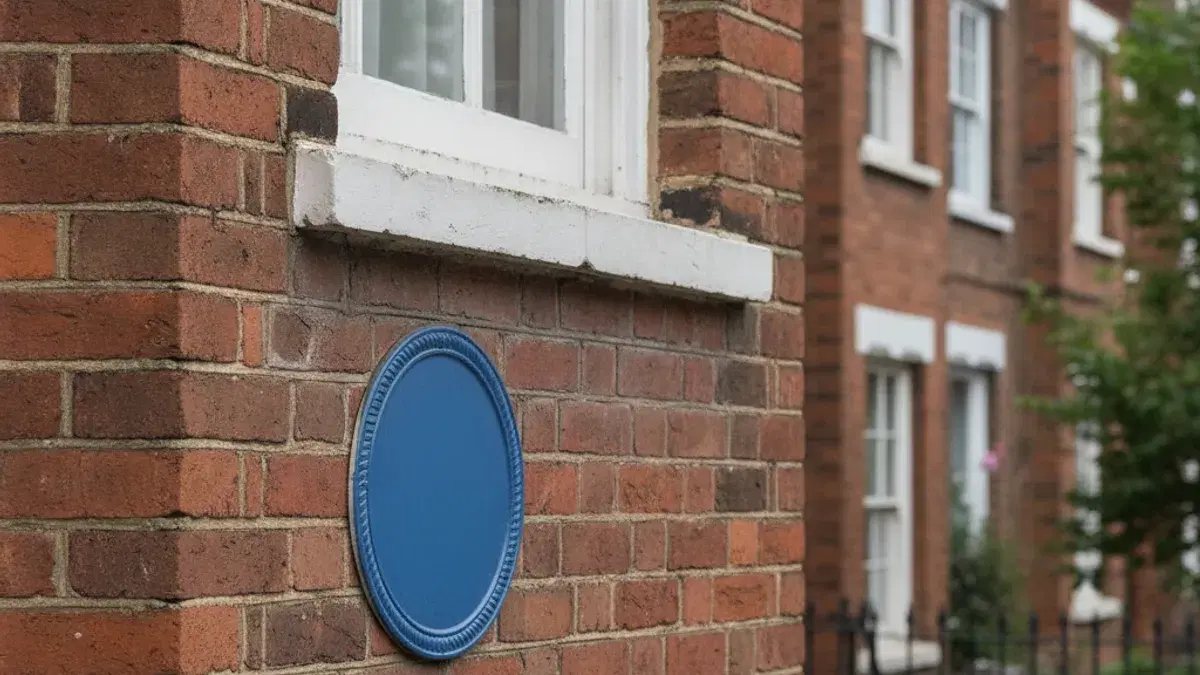
Famous People from Heaton
From the engineer of the Sydney Opera House to the man who discovered Jimi Hendrix, meet the notable people born and raised in Heaton and east Newcastle.